5 Must-See Medieval Cities in Transylvania
Explore the mystical land of Transylvania, a Romanian region steeped in history, legend, and architectural wonder. Known primarily as the imaginative home of Count Dracula, Transylvania is much more than its mythical associations. Its medieval cities offer a blend of enchanting scenery, multicultural heritage, and well-preserved structures that whisper stories from the past. In this blog post, we uncover five cities you simply must visit to embrace the essence of medieval Transylvania: Sibiu, Sighișoara, Brașov, Alba Iulia, and Cluj-Napoca. Whether you’re a history buff or a casual traveler, these cities promise a journey filled with discovery and enchantment.
Where is Transylvania?
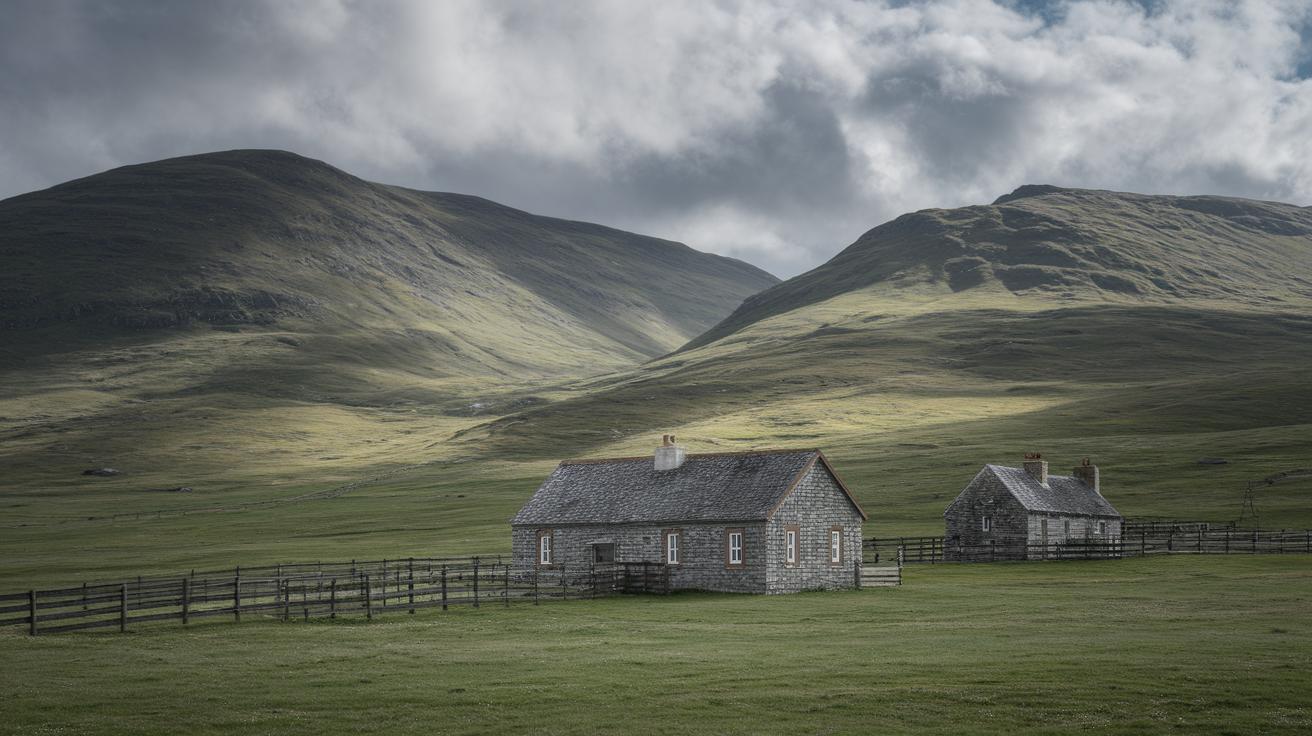
Nestled in the heart of Romania, Transylvania is bordered by the Carpathian mountain range, offering a landscape that’s both rugged and breathtakingly beautiful. Often misconceived due to its fictional portrayal in gothic novels, Transylvania is in fact a historical region within central Romania, brimming with vibrant culture and myth.
The name “Transylvania” itself means “the land beyond the forest,” which is fitting given its lush landscapes and dense woods. Known for its fortified towns and castles, it encompasses some of the oldest and most captivating architectural relics in Europe, making it a haven for history enthusiasts and nature lovers alike.
What you should know about Transylvania
Transylvania boasts a rich tapestry of cultural influences, shaped by its Hungarian, Saxon, and Romanian inhabitants over centuries. This melding of cultures has left a distinct mark on its food, art, and traditions, offering visitors a unique glimpse into the past.
Travelling to Transylvania is like stepping back in time, with its towns and cities retaining medieval charm alongside modern developments. The region also hosts numerous festivals and events celebrating this rich heritage, attracting tourists from all around the world who come to experience its unique blend of history and legend.
Sibiu
Sibiu, crowned as the European Capital of Culture in 2007, is a testament to its vibrant history and enduring appeal. Founded by Saxon settlers, it exudes charm with its pastel-colored houses and expansive squares, framed by the stunning backdrop of the Făgăraș Mountains.
The city is known for its well-preserved medieval architecture, including the impressive Brukenthal Palace and several Gothic churches. A walk across the Bridge of Lies, rumored to creak when someone tells a falsehood, offers a quintessential experience of Sibiu’s unique character.
Sighișoara
Known as the birthplace of Vlad the Impaler, the inspiration for Bram Stoker’s Count Dracula, Sighișoara is among the best-preserved medieval cities in Europe. Its UNESCO World Heritage status ensures its colorful streets and historic buildings retain their authentic charm.
The Clock Tower, with its distinctive mechanism and historical exhibitions, offers panoramic views of the city and surrounding countryside. Each summer, the city hosts a medieval festival, transforming Sighișoara into a bustling avatar of its past, filled with jousting, crafts, and music.
Brașov
Brașov is nestled at the foot of the Carpathian Mountains and offers a captivating mix of medieval charm and natural beauty. Known for hosting one of Romania’s most beautiful Gothic churches, the Black Church, it also offers the bustling Council Square surrounded by baroque buildings.
The Hollywood-style Brașov sign perched on Mount Tâmpa adds a modern twist to this historic city. An ascent up the mountain rewards visitors with breathtaking views of the region, while the nearby Poiana Brașov offers a winter wonderland for skiing enthusiasts.
Alba Iulia
Alba Iulia is a city steeped in the national history of Romania. Once a Roman settlement, it later became a significant site for Hungarian and Transylvanian Saxons. The impressive Alba Carolina Citadel stands as a testament to these various epochs.
The city played a pivotal role in the 1918 Union of Transylvania with Romania, an event that is commemorated each year on December 1st, Romania’s National Day. The convergence of military and ecclesiastical architecture makes it a fascinating spot for history devotees.
Cluj-Napoca
As the unofficial capital of Transylvania, Cluj-Napoca is a vibrant university town that melds youthful energy with medieval intrigue. It’s renowned for its booming arts scene, with a plethora of galleries, cinemas, and theaters showcasing both local and international talent.
At its heart lies the St. Michael’s Church, a Gothic masterpiece that dominates the central square. The Botanical Garden offers a serene escape with plants from around the globe, symbolizing the city’s blend of history and modernity, nature and culture.
More Romania
While Transylvania captures the imaginations of many, there is more to explore in greater Romania. Beyond its mystical medieval cities, Romania offers stunning landscapes from the Danube Delta to the Black Sea coast, providing diverse travel experiences for nature lovers and adventure seekers alike.
Romania’s rich folklore and vibrant traditions continue to enchant visitors. Regions like Maramureș and Bucovina are famed for their wooden churches and painted monasteries, respectively, offering further insight into the nation’s unique cultural heritage.
In Romania, every city, town, and village has a story waiting to be discovered, each adding a piece to the larger tapestry of this intriguing country.
Final Thoughts
| City | Highlights | Historical Significance |
|---|---|---|
| Sibiu | Pastel-colored houses, Brukenthal Palace, Bridge of Lies | European Capital of Culture, Saxon heritage |
| Sighișoara | Birthplace of Vlad the Impaler, Clock Tower, Medieval Festival | UNESCO World Heritage Site |
| Brașov | Black Church, Council Square, Mount Tâmpa | Gothic architecture, gateway to the Carpathians |
| Alba Iulia | Alba Carolina Citadel, National Day Celebrations | Culminate site of 1918 Union, Roman roots |
| Cluj-Napoca | St. Michael’s Church, Botanical Garden, Arts Scene | Blending medieval and modern, cultural hub of Transylvania |