12 Reasons Why British and Irish Castles Are a Waste of Your Time
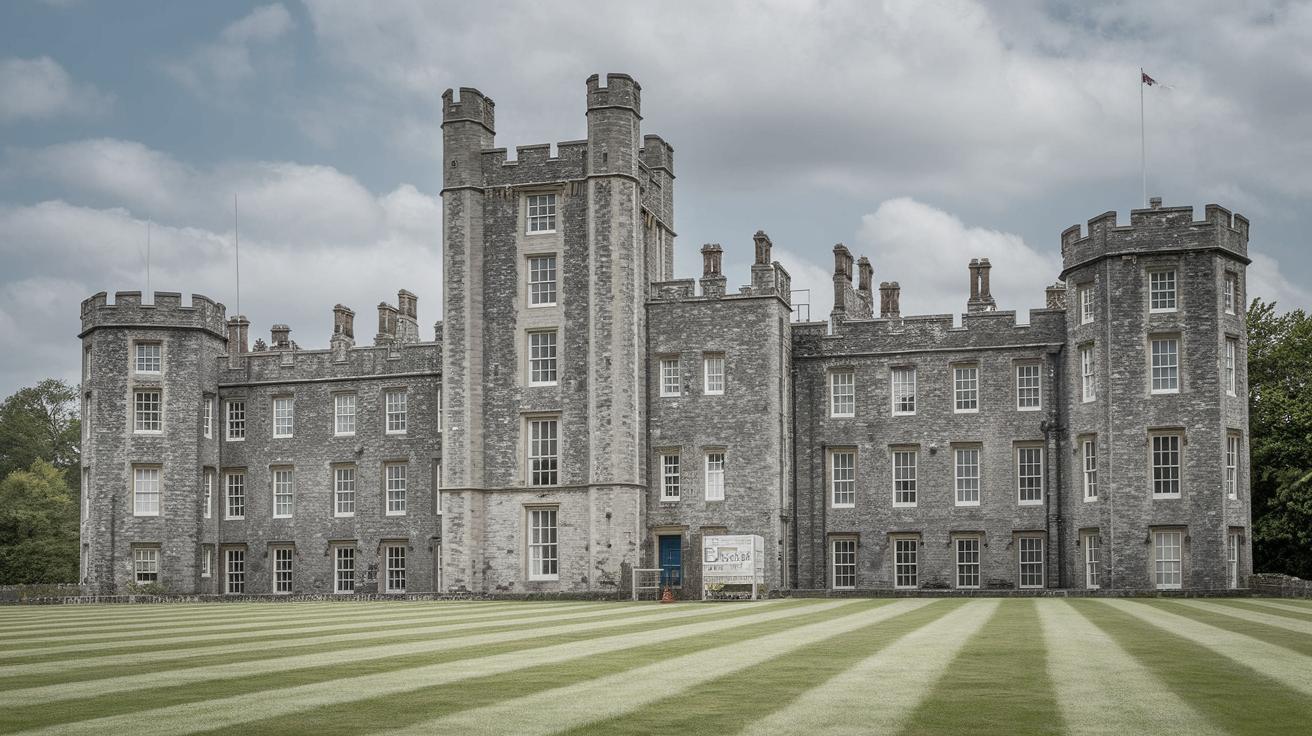
British and Irish castles, with their mystical allure and historic grandeur, might seem like a captivating journey into the past. However, a deeper examination reveals numerous reasons why these ancient structures are not worth the time and effort. While they once served as seats of power and defense, today they stand as shadows of their former selves, often lacking in substance beyond their stone walls. From overcrowded tourist traps to exorbitant ticket prices, the castles of Britain and Ireland may offer more frustration than fascination. This blog post delves into twelve compelling reasons to skip these medieval remnants and explore more enriching cultural experiences instead.
Rate this:
Visiting British and Irish castles might initially seem like a dream come true for history buffs and fantasy enthusiasts. Still, they may eventually find that these attractions do not live up to expectations. One might rate the experience lower than anticipated due to the frequent overcrowding and commercialized nature of the sites. Tourists often find themselves amidst throngs, battling for a glimpse of key architectural features or the perfect spot for a photograph.
Furthermore, the allure of castles often distances visitors from the authentic interactions and immersive experiences they might find elsewhere. Many visitors come away feeling that the experience lacked depth, as the guided tours tend to gloss over intricate historical details in favor of more palatable, surface-level storytelling. Consequently, the overly dramatized narratives can result in a disappointing and superficial understanding of the castles’ historical significance.
Share this:
While the prospect of sharing your castle visit on social media might seem exciting, the reality can be quite different. The oversaturation of castle photographs online means that your images could easily get lost in a sea of similar posts, limiting their impact and meaning. Instead of becoming a unique cultural artifact in your memory, they turn into yet another entry in the endless scroll of social media feeds.
Moreover, the connectivity pressures of sharing every aspect of the trip can detract from being present in the moment. Constantly focusing on capturing the “perfect” shot might mean missing out on appreciating the finer details of the architecture or taking in a more comprehensive perspective of the surrounding landscape. Ultimately, the emphasis on sharing dilutes the personal and intimate engagement with these historical sites.
Related
Those considering a venture into the history and majesty of castles may find more value in exploring less tourist-oriented sites. Many rural areas and lesser-known historical sites in the UK and Ireland provide opportunities for deeper understanding and engagement, allowing visitors to experience the historical context without the noise and hustle of more popular attractions.
Additionally, museums and cultural festivals offer a different, often richer perspective on history and culture without the pretense and commercialization inherent in castle tourism. Engaging in these alternative experiences can be more rewarding and impactful, fostering a genuine appreciation for regional history.
Lessons Learned
| Hindrance | Impact |
|---|---|
| Overcrowding | Dilutes the personal experience and access to key site features |
| Superficial Tours | Lack of detailed historical narratives reduces educational value |
| Commercialization | Promotes a false sense of connection with history |
| Social Media Pressure | Displaces authentic experiences with the need to curate content |
| Lack of Impactful Memories | Similar experiences and imagery overshadow personal growth |
| Higher Costs | Financial resources might be better allocated to alternative cultural experiences |