
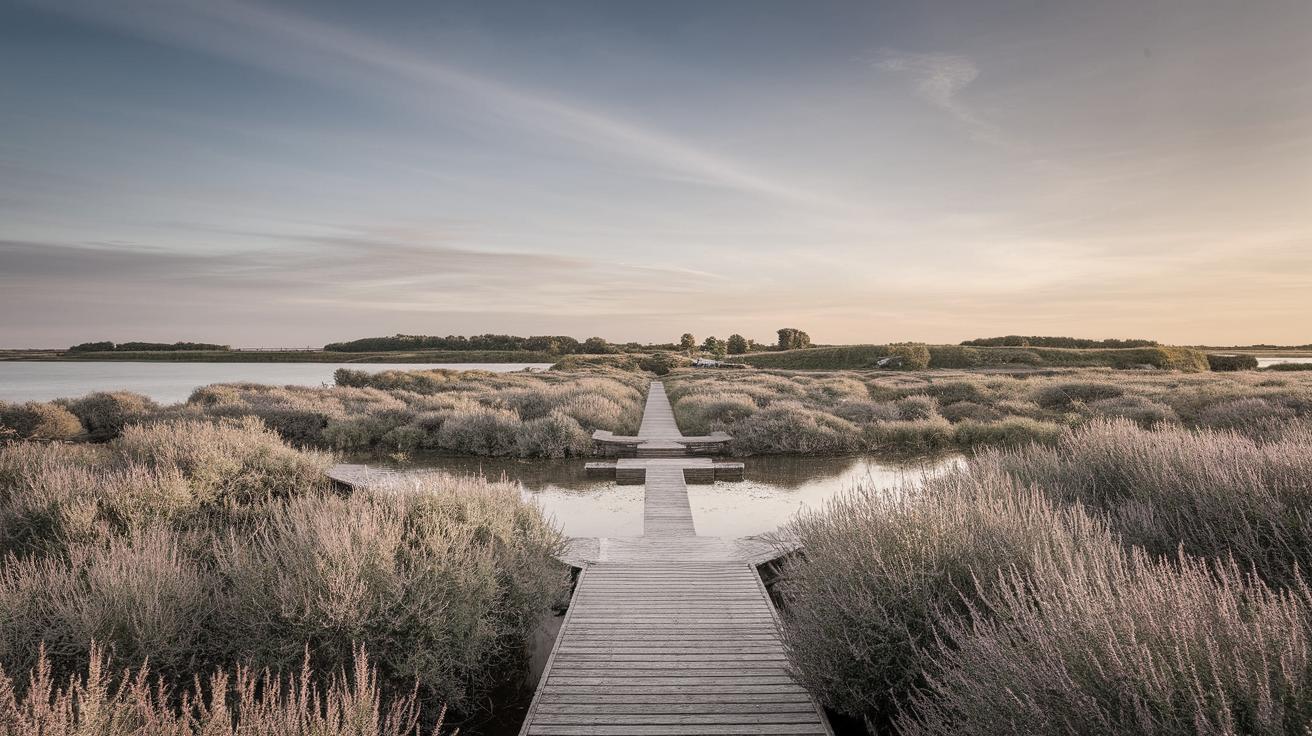
Discover the Untamed Beauty of the Camargue Region, France
The Camargue region in France is a celebration of nature’s wild beauty, cultural richness, and traditional way of life that dates back centuries. As Europe’s largest river delta, this unique landscape is not only a haven for biodiversity but a living testament to centuries-old traditions involving proud bulls and majestic horses. This post will guide you through the enchanting elements of the Camargue, from its protected natural areas and ancient traditions involving bulls and horses to the rich agricultural tapestry it supports. Whether you’re a nature lover, history enthusiast, or a seeker of tranquil landscapes, Camargue offers an experience that’s deeply rewarding. Dive into this exploration to understand why visiting Camargue is a must for any traveler venturing to Southern France.
Where is Camargue located?
Camargue is nestled in the south of France, forming part of the Rhone delta. This spectacular region sits comfortably between the Mediterranean Sea and the two arms of the Rhône River. Stretching over 930 square kilometers, it’s an area of immense ecological importance and cultural significance, affecting the wider Provence-Alpes-Côte d’Azur region. The landscapes here oscillate between vast salt pans and wetlands teeming with vibrant wildlife, creating an awe-inspiring tableau of untamed beauty.
Accessibility is straightforward, with major cities like Arles and Marseille providing gateways to the heart of Camargue. Visitors often choose to stay in charming towns like Saintes-Maries-de-la-Mer, a coastal town and pilgrimage destination that offers accommodations and insight into the local lifestyle. It’s a place where the connection between humans and nature forms the core of its everyday rhythm, where you can truly immerse yourself in Southern French culture.
Protected Natural Area: Europe’s largest river delta
The Camargue is designated as a Regional Natural Park and a UNESCO biosphere reserve. This emphasizes its significance as an ecological treasure. It harbors a staggering array of wildlife, offering refuge to over 400 species of birds. One of the most captivating sights is the pink flamingos, which flock here in significant numbers, dotting the landscape with their vibrant hues.
Aside from its ornithological wonders, the Camargue stands as a geological marvel. The expansive salt flats, marshy wetlands, and lagoons create a biodiversity hotspot. Visiting during different seasons offers varying perspectives of nature’s artistry, from the lush greenery of spring to the reflective saline pools in summer. It’s a testament to how humans and the environment can coexist in harmony, thriving through conservation efforts and sustainable practices.
Bulls and horses: an ancient tradition
In Camargue, the cultural heritage is intricately linked with its iconic bulls and horses. Known for their agility and grace, the Camargue horses are one of the oldest horse breeds in the world, believed to have existed in this region for thousands of years. These semi-feral horses are emblematic of the area, breathtaking in their white coats as they gallop across the wetlands.
Equally poignant is the tradition surrounding the Camargue bulls. Not to be mistaken with their Spanish counterparts, these bulls are primarily used in local bullfighting festivals known as ‘course camarguaise’. Unlike traditional bullfights, this event emphasizes skillful interaction where no harm comes to the animal. Both the horses and bulls symbolize the proud and enduring traditions of Camargue, reflecting a deep-seated respect for nature and heritage.
Agricultural land
The Camargue’s geography also supports a lush agricultural scene, where fields of rice and wheat punctuate the landscape. The region is known for its unique red rice, grown in paddies and renowned for its nutty flavor and health benefits. This agricultural diversity is sustained by meticulous land and water management practices that have been honed over centuries.
Local farmers adhere to sustainable practices, ensuring the soil retains its richness and yields high-quality produce. Additionally, the cultivation of sea salt plays a central economic role in Camargue, with vast salt marshes contributing to its unique terroir. Visiting this region offers the chance to taste the local gastronomy, with dishes infused with the distinctive flavors of the land, accompanied by wines from nearby vineyards.
Want to go to Southern France? Check out our “Travel Like a Local” small group tours!
For those enticed by the idea of exploring Camargue, traveling with a small group tour that focuses on the local experience can be remarkably enriching. These tours provide a unique opportunity to connect with the region’s essence, guided by experts who offer insight into its cultural and natural heritage. They facilitate immersive experiences from bird watching and horseback riding along the trails to savoring culinary specialties, ensuring your journey is as authentic as it is memorable.
By choosing a “Travel Like a Local” tour, you not only have the advantage of curated itineraries that save you time and stress but also support local economies and participate in sustainable tourism practices. Whether it’s a custom itinerary or a short excursion, opting for a tour can enhance your appreciation of Camargue’s multifaceted landscape and culture.
| Aspect | Highlights |
|---|---|
| Location | South of France, Rhone delta, near cities like Arles |
| Natural Area | UNESCO biosphere reserve, home to 400+ bird species |
| Traditions | Course camarguaise, iconic Camargue horses and bulls |
| Agriculture | Rice, wheat fields, sea salt production |
| Travel Tips | “Travel Like a Local” small group tours recommended |