What’s All the Fuss About Snowdonia?
Nestled in North Wales, Snowdonia National Park boasts breathtaking landscapes, rich history, and a vibrant culture. This blog post delves into the size and grandeur of this exquisite area, exploring its many mountains, diverse flora and fauna, and fascinating historical roots. We’ll journey through the myths and legends that animate local folklore and visit the region’s World Heritage sites. From the etymology of its name to the leisure activities it inspires, Snowdonia invites outdoor enthusiasts and history buffs alike to explore its majestic terrain. Whether you seek the thrill of hiking its peaks or a quiet moment in its forests, Snowdonia offers something for everyone.
1. How big is Snowdonia?
Snowdonia National Park is a vast and varied landscape, offering one of the most enchanting natural views in the United Kingdom. Spanning over 823 square miles, it is the largest national park in Wales. The region is renowned for its rugged mountain ranges, stunning coastlines, and serene lakes, making it a haven for nature lovers and outdoor enthusiasts.
This extensive area incorporates a diverse range of terrains and ecosystems. Visitors to Snowdonia can experience anything from challenging mountain hikes to leisurely strolls through lush forests, underscoring the park’s reputation as a natural wonderland. Whether you’re exploring its rugged peaks or gentle valleys, Snowdonia provides endless opportunities for adventure.
2. How many mountains in Snowdonia?
The mountain ranges of Snowdonia are among its most defining features. The park is home to 15 peaks over 3,000 feet, with the most famous being Mount Snowdon, or Yr Wyddfa in Welsh. These majestic mountains offer a challenging and exhilarating experience for hikers and climbers, attracting adventurers from all over the world.
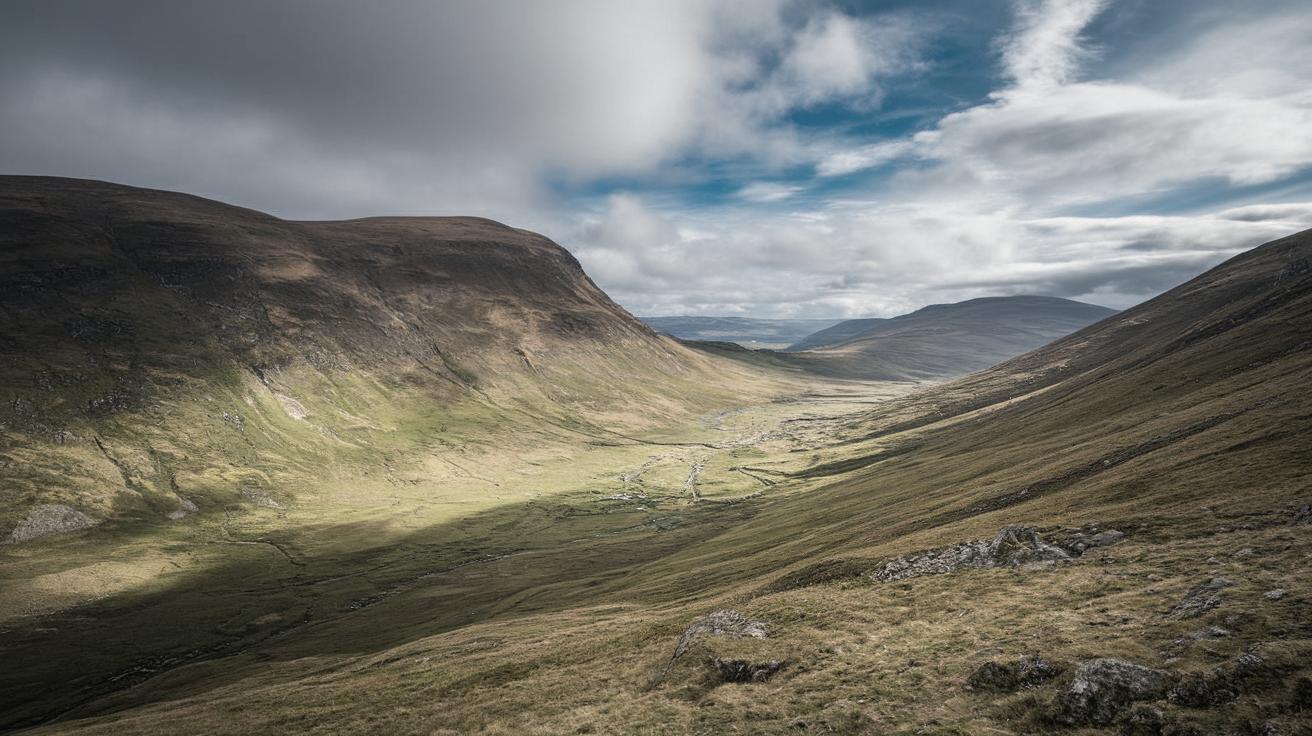
The region’s mountainous landscape varies greatly, from the craggy heights of the Glyderau to the dramatic slopes of the Carneddau range. Each mountain presents unique challenges and rewards, providing not only a physical workout but also a feast for the eyes, with breathtaking scenery at every turn. Snowdonia’s mountains invite exploration and respect, standing as timeless sentinels over the land.
3. Are there forests in Snowdonia?
Beyond its mountains, Snowdonia features expansive woodlands filled with rich biodiversity. Ancient forests dot the landscape, providing habitat to a wide array of wildlife. The Gwydir Forest, for example, encompasses thousands of acres of dense woods, paths, and streams, perfect for hiking and bird-watching.
These forests are vital not only ecologically but also recreationally. They offer serene, shaded areas for visitors to explore, serving as a peaceful contrast to the rugged peaks of the national park. In Snowdonia’s forests, you can find tranquility amid the whispering trees and learn about the delicate balance of ecosystems that flourish there.
4. What does ‘Eryri’ mean?
The Name Snowdonia
The English name ‘Snowdonia’ is derived from Snowdon, the highest mountain in Wales. However, the Welsh name for the region, ‘Eryri’, evokes a different image entirely. Eryri translates to “The Land of Eagles,” a tribute to the eagles that once soared through its skies, capturing the essence of the wild, untamed landscapes found here.
The Name Snowdon
Similarly, the name ‘Snowdon’ is thought to originate from the Old English for “snow hill.” In Welsh, it is known as ‘Yr Wyddfa’, meaning “the tumulus”. According to legend, this name is associated with the mythical tale of the giant Rhitta Gawr, adding layers of cultural richness to the mountain’s identity.
5. What plants and animals are in Snowdonia?
Snowdonia is home to some of the UK’s rarest plant and animal species. The park’s diverse habitats support mammals like pine martens and otters, as well as rare birds such as the peregrine falcon. These species thrive in Snowdonia’s varied environments, from mountain crags to tranquil lakesides.
Botanically, Snowdonia is equally diverse. The park is famous for its wildflowers, including rare alpine species found nowhere else in the UK. The varied plant life throughout the park contributes not only to its beauty but also to its ecological importance, supporting a wide range of wildlife.
6. What is the history of Snowdonia?
The history of Snowdonia is as varied and breathtaking as its landscape. Archaeological evidence suggests that humans have lived in the area for thousands of years, leaving behind a legacy of ancient forts, farmsteads, and standing stones. These remnants provide a fascinating insight into the lives of early settlers.
During the industrial age, Snowdonia was a hub for slate quarrying, which played a crucial role in the local economy. The slate industry left a permanent mark on the landscape and society, with mines and tramways now serving as historical landmarks and picturesque hiking routes.
7. What myths and legends are there?
Myths and legends permeate the fabric of Snowdonia, with tales that have been passed down through generations. The story of King Arthur and his knights is famously set against the backdrop of Snowdonia, with legends claiming Sir Bedivere buried Arthur’s sword, Excalibur, in one of the area’s lakes.
Another enduring legend is that of the giant Rhitta Gawr, who was said to have lived on Snowdon. The stories of fantastical beings and events imbue the land with a sense of magic and mystery, inviting visitors to explore not just the physical landscape but the rich tapestry of imagination woven through its history.
8. World Heritage Sites
Snowdonia is recognized not only for its natural beauty but also for its cultural significance. The Slate Landscape of Northwest Wales, a designated UNESCO World Heritage Site, highlights the historical importance of the slate industry within the region. This award acknowledges the global impact of Welsh slate and its contributions to architectural heritage worldwide.
The recognition brings attention to the area’s unique culture and history, ensuring that the legacy of those who lived and worked there is preserved for future generations. This World Heritage status draws tourists from across the globe, eager to learn more about this storied land.
9. Exploring Snowdon (Yr Wyddfa)
Snowdon, or Yr Wyddfa, stands as the crowning jewel of Snowdonia. As the highest peak in Wales, it offers spectacular views and is accessible via a network of trails catering to all levels of hikers. The Llanberis Path provides a straightforward route for beginners, while more experienced climbers might prefer the challenges posed by routes such as Crib Goch.
For those inclined toward a more leisurely ascent, the Snowdon Mountain Railway offers an alternative means of reaching the summit. Whether traveling on foot or by train, visitors are rewarded with breathtaking vistas that reach across the Irish Sea to Ireland and encompass much of Wales’s rugged landscape.
10. Leisure Activities
Beyond hiking, Snowdonia offers a multitude of leisure activities to suit every interest. Visitors can partake in ziplining, mountain biking, and water sports, with facilities such as the Surf Snowdonia Adventure Parc providing unique experiences like surfing a man-made lagoon.
Moreover, the cultural richness of the area is celebrated in various festivals and events throughout the year, featuring local music, food, and crafts. Whether you’re an adrenaline junkie or a culture enthusiast, Snowdonia presents an abundance of recreational opportunities designed to appeal to all tastes.
Related
For those inspired by the wonders of Snowdonia, exploring related regions such as the Brecon Beacons or the Pembrokeshire Coast National Park can offer additional insights into the diverse landscapes and cultures of Wales. Each area presents its own unique attractions, complementing the richness found in Snowdonia.
| Section | Content Summary |
|---|---|
| How big is Snowdonia? | Explores the vast landscape and diverse terrain of the park. |
| How many mountains in Snowdonia? | Details the park’s numerous peaks and their appeal for adventurers. |
| Are there forests in Snowdonia? | Describes the park’s rich woodlands and their ecological importance. |
| What does ‘Eryri’ mean? | Explains the origins of the region’s Welsh names and their meanings. |
| What plants and animals are in Snowdonia? | Highlights the region’s diverse flora and fauna. |
| What is the history of Snowdonia? | Outlines key historical periods and phenomena in the park. |
| What myths and legends are there? | Shares stories that contribute to the park’s mythical allure. |
| World Heritage Sites | Discusses the significance of the Slate Landscape’s cultural status. |
| Exploring Snowdon (Yr Wyddfa) | Describes hiking routes and attractions associated with Snowdon. |
| Leisure Activities | Highlights the array of activities available, from sports to cultural events. |