Embrace Solo Travel: Your Ultimate Guide
Solo travel can be a life-changing experience, offering unparalleled opportunities for self-discovery and
adventure. This guide will walk you through the benefits of traveling alone, provide planning tips, and offer
actionable advice to ensure you cherish every moment of your solo escapade. Whether you’re a seasoned traveler
or embarking on your first solo trip, you’ll find strategies here to make the most of your journey. From
absorbing local culture through food and events to harnessing the enriching power of spontaneity, solo travel
opens doors to new friendships and insights. Let this guide be your companion as you step out of your comfort
zone and embrace the world independently.
Why You Will Love Solo Travel
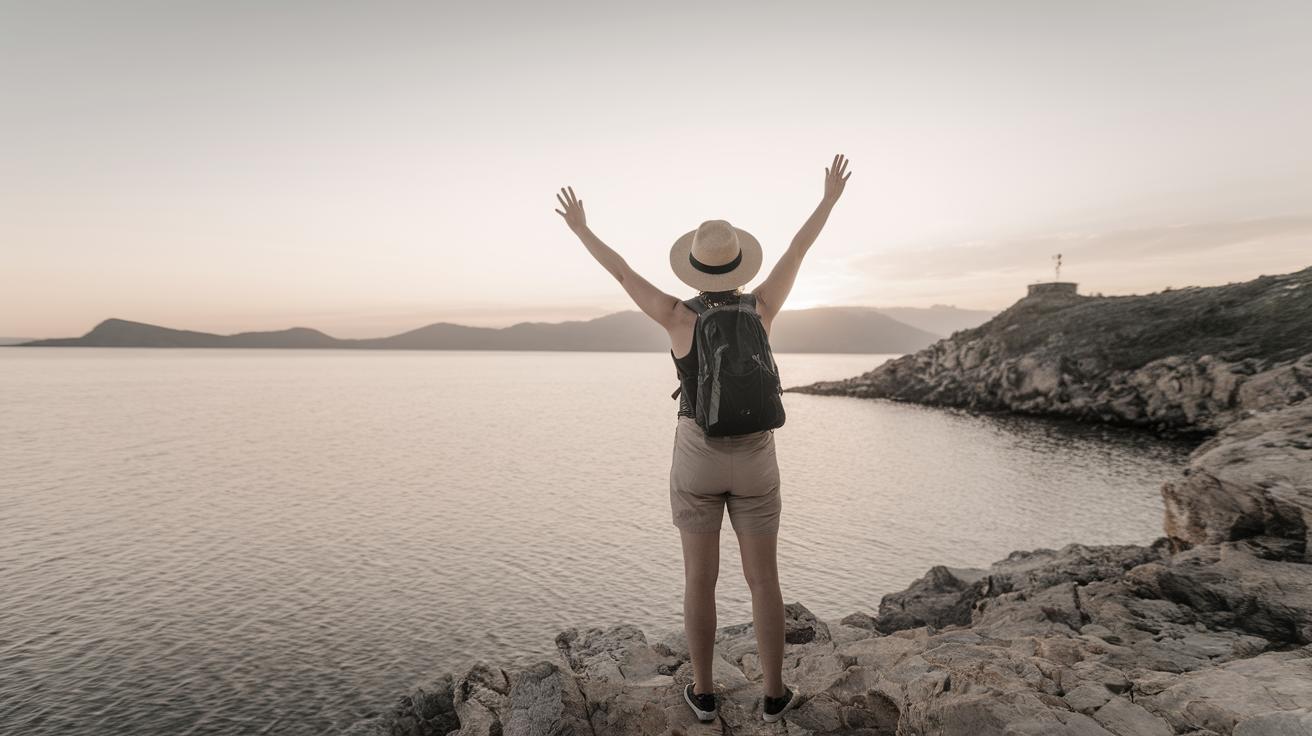
Solo travel is a profoundly liberating experience that allows you to immerse yourself in new cultures and
environments on your terms. Without the influence or schedules of others, you have the freedom to explore as
your curiosity dictates, leading to genuine personal growth and self-awareness. The autonomy of solo travel
empowers you to make decisions driven entirely by your desires, whether that’s spending a leisurely afternoon in
a quaint café or hiking an uncharted trail.
Another compelling aspect of solo travel is the capacity for spontaneity. Without the need to accommodate others’
plans, spontaneous decisions become more feasible and exciting. This flexibility can lead to unexpected
adventures and thrilling experiences, which are sometimes the most memorable moments of your journey. Solo
travel also provides the perfect opportunity to disconnect from daily life, rediscover yourself, and find peace
in solitude.
Your Guide for Planning to Travel Alone
Planning a solo trip requires a unique approach to ensure a seamless and enjoyable experience. One of the first
steps is researching your destination to understand cultural norms, local customs, and potential language
barriers. This foundational knowledge will ease interactions and help you blend into the local environment with
confidence. Ensuring your travel documents are in check, and understanding visa requirements are also crucial
preparatory actions.
Packing for a solo trip can be an art form, balanced between preparedness and minimalism. Opt for versatile
clothing that matches multiple occasions and climates. Secure accommodations that suit your style and budget in
advance. It’s advisable to have a flexible itinerary with room for impromptu adventures, yet structured enough
to cover your must-see spots and experiences. Consider travel insurance as well, providing peace of mind against
unforeseen events.
Ultimate Tips to Travel Alone and Love It!
1. Visualize the trip you want. It’s all about you.
Start your solo travel journey by visualizing the kind of trip you desire. This vision will guide your decisions
and ensure the entire experience aligns with your personal interests and goals. Whether you seek adventure,
relaxation, or cultural exploration, this vision serves as your compass.
Once you’ve established your vision, begin planning activities that fulfill these desires. Every choice, from
destinations to daily itineraries, should feel personally rewarding and exciting. Remember, solo travel is your
opportunity to indulge in every passion or whim without compromise.
2. Gather firsthand knowledge before you go. Personal stories tell you more.
Before departing, take time to gather firsthand accounts from others who have traveled solo to your chosen
destination. Reading blogs, travel forums, or listening to podcasts can provide valuable insights and practical
tips tailored to solo explorers. These stories often reveal hidden gems and off-the-beaten-path experiences that
guidebooks might overlook.
Stay open to diverse perspectives and incorporate them into your planning. Personal anecdotes often highlight
potential challenges and unique opportunities, giving you a more nuanced understanding of what to expect.
3. Learn to chat with strangers.
One of the joys of solo travel is the opportunity to meet new people, which often leads to unforgettable
conversations and shared experiences. Pushing yourself to initiate conversations with locals and fellow
travelers can enrich your journey, offering new perspectives and advice.
Develop this skill by starting with small talk in familiar settings before your trip, practicing active listening,
and showing genuine interest in others. Embrace these interactions as part of your personal growth and journey.
4. Tap the experience of the people you meet. Get current information.
Locals and seasoned travelers are invaluable sources of information. Engage them to gain real-time updates on
local happenings, safety advice, and must-see locations, which might not yet be documented online or in guides.
This dynamic exchange of information can lead to unexpected adventures and deepen your connection to the
destination. Such encounters will also enrich your travel stories and make them more authentic and compelling.
5. Be flexible with your plans when you travel alone. Opportunities arise!
While having a plan is important, remain open to spontaneous opportunities as they present themselves. Flexibility
in your itinerary allows you to explore unanticipated events, festivals, or meetings that can be the highlights
of your trip.
This adaptability can turn potential disruptions into exciting new adventures. Embrace changes as chances for
growth and unique experiences, embodying the true spirit of solo travel.
6. Don’t over-plan. You will absolutely need relaxing time.
It’s easy to become overzealous when planning your solo adventure, but leaving room for downtime is essential.
Over-planning can lead to burnout, diminishing the joy and spontaneity of your journey.
Allow yourself enough time to unwind and reflect, whether it’s enjoying a leisurely afternoon in a park or
spending a quiet evening in a cafe. These moments of relaxation can enhance your appreciation of your
surroundings and reignite your enthusiasm for exploration.
7. Be patient. Take time to settle in and learn how the city works.
On arriving at your destination, give yourself time to adjust. Familiarize yourself with the local public
transportation system, the layout of the city, and essential services.
This initial immersion period is crucial, as it sets the foundation for the rest of your trip. Exploring
neighborhoods, understanding cultural norms, and acclimating to the pace of life will enrich your overall
experience and ease any initial discomfort.
8. Explore your destination at different levels. Gain different perspectives.
To gain a comprehensive understanding of your destination, explore it from various angles. Venture beyond tourist
hotspots to uncover lesser-known locales that may offer a more authentic experience.
Engage in both walking tours and aerial perspectives if available, delve into local history in museums, and
interact with neighborhoods of diverse socioeconomic backgrounds. Such multidimensional exploration provides a
well-rounded appreciation of the region’s culture and lifestyle.
9. Take in local events when you travel alone. Get to know the daily life of a culture.
Attending local events, festivals, or community gatherings allows you to witness and engage in the cultural pulse
of your destination. These occasions provide authentic insights into the daily life and traditions celebrated by
residents.
Participating in such events can foster connections with locals and fellow travelers, leading to shared experiences
that are uniquely personal and enriching.
10. Be proactive if you’re unsure of yourself.
Solo travel may sometimes feel daunting, especially when navigating unfamiliar environments. Adopt a proactive
approach to mitigate uncertainty by researching ahead, asking for help, and continuously learning about your
surroundings.
Take guided tours or join local classes as stepping stones to build confidence in engaging with new environments.
These efforts not only diminish apprehension but also enhance your travel experience.
11. Eat locally! Discover the culture through food.
Engage with the local culinary scene as a gateway to understanding culture, history, and lifestyle. Experimenting
with street food, traditional dishes, and local markets unlocks unique flavor profiles and food heritage.
Sharing a meal with locals or taking a cooking class can deepen these culinary explorations, bridging cultures
through shared experiences and stories, enriching your travel narrative.
12. Shop where the locals shop.
Discover local markets and shopping areas where residents frequent to gain insight into daily life and local
economies. These locations often offer authentic goods and souvenirs at fairer prices compared to tourist
traps.
Shopping locally supports small businesses and artisans, contributes positively to the local economy, and allows
you to bring home meaningful mementos and stories connected to your travel experiences.
13. Know which way is up. An old-school map is your friend.
While digital navigation tools are incredibly useful, carrying a physical map can provide an invaluable overview
of your surroundings. This tangible resource doesn’t drain battery life and won’t leave you stranded in areas
with poor connectivity.
Familiarity with traditional map-reading also enhances the sense of adventure and exploration, making you less
reliant on technology and more in tune with your environment.
14. Find people who share your passion.
Seek out communities or groups centered around your interests, whether it’s photography, hiking, or art. Engaging
with these like-minded individuals adds a rich social element to solo travel, fostering friendships and creating
lasting memories.
Platforms such as Meetup or local clubs and events can help you connect with individuals who share your enthusiasm,
creating pathways for deeper personal and cultural engagement.
15. Take day tours and classes when you travel alone.
Participating in day tours or enrolling in short classes can offer structured, guided experiences that deepen your
understanding of a destination. These activities are excellent avenues to explore local crafts, history, or
natural wonders.
Besides expanding your knowledge, tours and classes provide a platform for bonding with fellow travelers, easing
the solitude of solo travel and enriching your network with diverse perspectives.
16. Have great evenings out.
Solo travel evenings can be as vibrant or relaxing as you choose. Whether dining at a local hotspot, attending a
live performance, or enjoying a quiet stroll through illuminated streets, the evenings are ripe for unique
explorations.
Consider booking a dinner reservation, exploring nightlife, or enjoying a solo date with yourself at a cultural
event. These experiences often offer a new dimension to your travel memories, adding layers to your understanding
of local culture and lifestyle.
What If You Don’t Love Solo Travel?
Solo travel isn’t for everyone, and it’s okay if the experience doesn’t resonate with you as expected. If solo
travel feels overwhelming, it can be helpful to analyze what aspects didn’t align with your expectations and if
there are ways to address or mitigate those concerns in future travels.
Sometimes, blending solo exploration with structured group activities can offer a more balanced approach. Guided
tours or short group excursions may provide enough social interaction to offset any potential loneliness while
retaining the freedom associated with solo travel.
Round Out Your Guide to Solo Travel with These Resources.
| Categories | Content Overview |
|---|---|
| Benefits of Solo Travel | Personal growth, spontaneity, disconnecting |
| Planning Tips | Research destination, pack wisely, insurance, flexible itinerary |
| Travel Tips | Visualize, engage locals, be flexible, relax, explore levels, enjoy events/cuisine |
| Addressing Challenges | Analyzing expectations, mixing solo with group activities |