How to Drink Whisky Like a True Scot
Whisky, often referred to as the “water of life,” holds a revered place in Scottish culture. Drinking whisky isn’t just about the spirit itself, but also about embracing an entire culture and tradition. From selecting the right whisky glass to appreciating the distinct flavors and aromas, mastering the art of drinking whisky like a true Scot involves both technique and an appreciation for history. In this article, we’ll delve into the rich history of Scotch whisky, explore how to select the perfect dram, and learn the proper methods to sip and savor this remarkable liquor.
The Rich History of Scotch Whisky
The origins of Scotch whisky date back centuries, with its exact beginnings somewhat shrouded in mystery. The earliest documented mention of whisky in Scotland comes from an entry in the Exchequer Rolls of 1496, where Friar John Cor was commissioned to make “aqua vitae,” Latin for “water of life.” Since then, Scotch whisky has evolved into a global phenomenon, cherished for its complexity and craftsmanship.
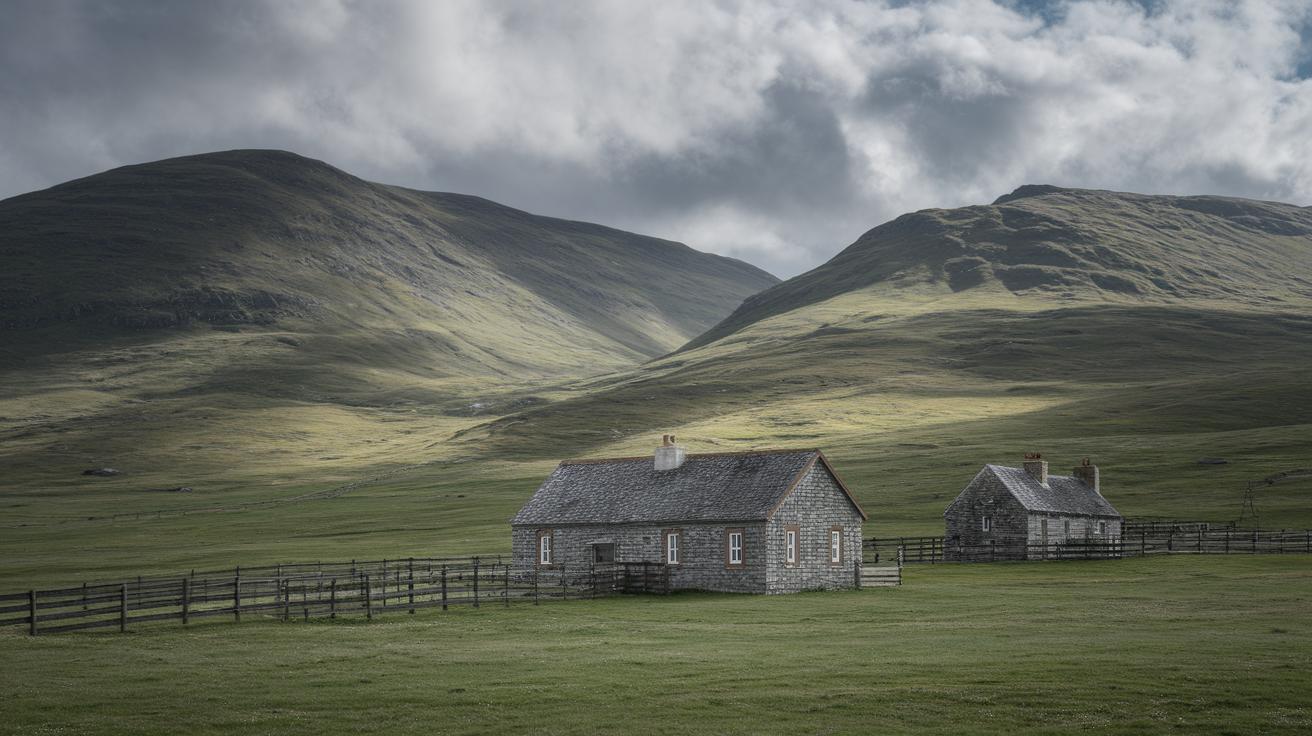
Scotland’s diverse geography contributes to the unique characteristics of its whisky. The five main whisky-producing regions—Speyside, Highlands, Islay, Lowlands, and Campbeltown—each offer distinct flavors and aromas. From the peaty and smoky whiskies of Islay to the lighter, floral notes of Lowland malts, there is a Scotch to suit every palate. Understanding these regional differences not only enhances your appreciation for whisky but also connects you to Scotland’s rich cultural heritage.
Selecting Your Whisky
Choosing the right whisky can be a daunting task, given the vast selection available. But fear not; learning about different types and styles can be an enjoyable journey. Single malt whiskies, made from malted barley at a single distillery, are often considered the epitome of Scotch, known for their rich flavors and craftsmanship. Blended whiskies, a combination of malt and grain whiskies, offer a more approachable and balanced taste, making them a popular choice for beginners.
Price is another factor to consider when selecting whisky. While rare and aged whiskies command higher prices, there are plenty of affordable options that deliver exceptional quality. Reading reviews, trying samples, and seeking advice from knowledgeable staff at whisky shops can help you make an informed decision. Remember, the best whisky is the one you enjoy the most, regardless of price or prestige.
The Perfect Glassware
The glass you choose can significantly enhance your whisky-tasting experience. Traditional whisky glasses, like the Glencairn, are designed to concentrate aromas, allowing you to fully appreciate the spirit’s nuances. These glasses have a distinct shape, with a wide bowl and narrow opening, which helps trap the whisky’s aromatic compounds.
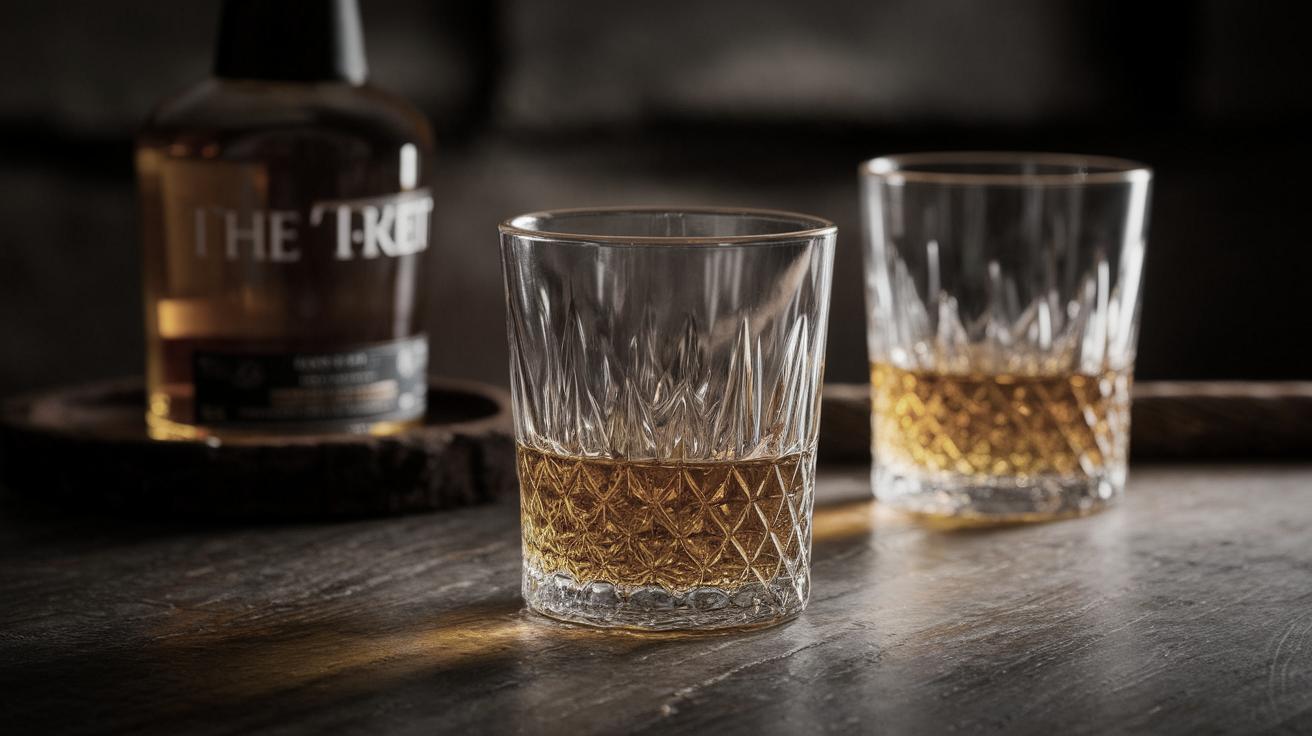
While nosing glasses help you savor the aromas, tumblers are more suited for casual enjoyment. Known as “rocks” glasses, tumblers are typically used for whiskies that you might want to enjoy over ice. Ultimately, the choice of glass depends on personal preference and the occasion, but for the true tasting experience, a nosing glass is often recommended.
The Art of Tasting
Whisky tasting is an exercise in mindfulness, requiring you to slow down and savor each moment. Start by observing the whisky’s color; this can offer clues about its age and cask type. Swirl the glass gently to release more of its aroma and take a moment to enjoy the complex bouquet, which can range from fruity and floral to peaty and smoky.
Take a small sip, allowing the whisky to coat your tongue, and notice how the flavors evolve. Pay attention to the finish, the lingering taste that remains after swallowing. A great whisky will offer a long, satisfying finish with layers of complex flavors. Don’t rush the process; allow each sip to take you on a journey.
The Temperature and Dilution Debate
Serving temperature can have a significant impact on your whisky-drinking experience. While some purists prefer to enjoy whisky at room temperature, chilling it slightly can sometimes enhance certain flavors. Experiment with different temperatures to find what works best for you.
Another point of contention among whisky enthusiasts is whether to add water or ice. Adding a few drops of water can open up the whisky’s aromas and flavors, particularly in cask-strength varieties. Ice, on the other hand, can numb the palate, muting some of the subtler flavors. Again, this boils down to personal preference, so don’t hesitate to experiment.
Cultural Significance and the Right Setting
Whisky holds a special place in Scottish culture, often tied to celebrations and gatherings. Sharing a dram with friends or during a festive ceilidh enhances the communal experience and pays homage to tradition. Many Scots believe whisky is best enjoyed with good company, laughter, and perhaps a touch of traditional Scottish music in the background.
The setting in which you enjoy whisky can also affect your experience. Whether it’s beside a roaring fire, overlooking a serene landscape, or in a cozy pub, the ambiance can heighten your appreciation of the spirit. Whisky is not just a drink; it’s an experience, steeped in camaraderie and tradition.
Final Thoughts
| Aspect | Recommendation |
|---|---|
| History | Understand the origins and regional flavors of Scotch whisky. |
| Selection | Explore both single malt and blended whiskies to find your preference. |
| Glassware | Use a nosing glass like the Glencairn for a fuller aroma experience. |
| Tasting | Engage in mindful tasting, noting the color, aroma, and finish. |
| Temperature and Dilution | Experiment with serving temperature and dilution to suit your taste. |
| Cultural Setting | Enjoy whisky in good company and a fitting setting to enhance the experience. |