Our 5 Favourite English Cathedrals
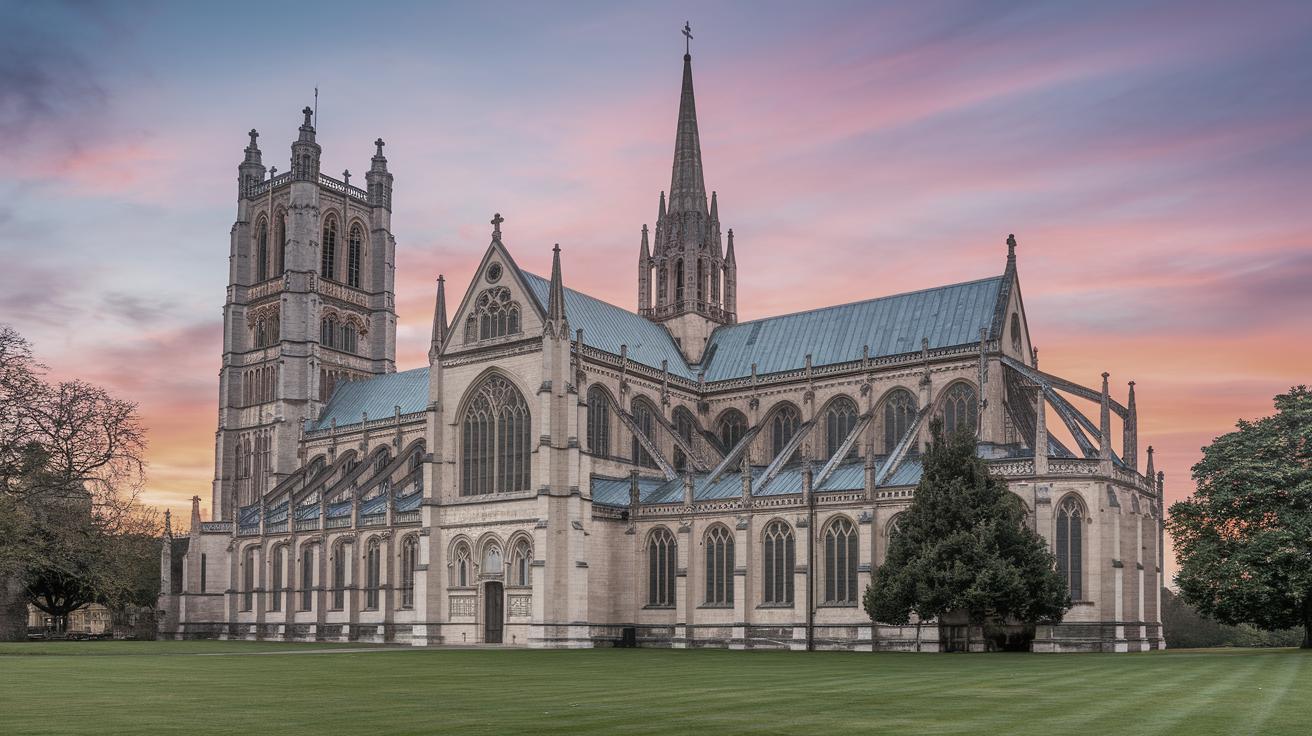
England is home to some of the most magnificent cathedrals in the world. These architectural marvels not only serve as places of worship but also stand as historical landmarks, echoing the stories of centuries. This blog post takes you on a tour of our five favourite English cathedrals. We’ll explore the awe-inspiring beauty, historical significance, and unique characteristics that make Gloucester, Canterbury, Wells, St. Paul’s, and Norwich Cathedrals stand out. By the end of this exploration, you’ll gain a deeper appreciation for these monumental structures and the roles they’ve played in England’s religious and cultural history.
What Are Cathedrals?
Cathedrals are large, often grand churches that serve as the central church of a diocese, where the bishop’s throne, or cathedra, is located. Known for their architectural splendor, cathedrals often feature intricate designs, stained glass windows, and towering spires.
Historically, cathedrals were centers of community life, hosting a range of events beyond religious ceremonies, such as fairs, markets, and educational efforts. These edifices hold historical and cultural significance, acting as a testament to the skill of past architects and the rich tapestry of English history.
1. Gloucester Cathedral
Gloucester Cathedral, an iconic structure in the heart of Gloucestershire, is known for its stunning Gothic architecture. Originally built as an abbey, it was transformed into a cathedral in 1541. Its majestic cloisters have served as a backdrop for numerous films, most notably the Harry Potter series.
The unique fan-vaulted ceiling is one of the cathedral’s most remarkable features, displaying an extraordinary level of craftsmanship. Visitors are often drawn to the Great East Window, a medieval masterpiece depicting biblical stories through vibrant stained glass panels.
2. Canterbury Cathedral
Recognized as one of the oldest Christian structures in England, Canterbury Cathedral is a site of immense historical and religious significance. Founded in 597 AD by St. Augustine, it became a focal point for English Christianity and a pilgrimage destination following the martyrdom of Thomas Becket in 1170.
Visitors are captivated by its Romanesque and Gothic architectural elements, particularly the Bell Harry Tower. The cathedral is also part of a UNESCO World Heritage Site, ensuring its preservation for future generations to appreciate its storied past and spiritual ambiance.
3. Wells Cathedral
Nestled in Somerset, Wells Cathedral is celebrated for its early English Gothic architecture and intricate sculptures. It was constructed between the late 12th and early 13th centuries and stands out for its harmonious design and stunning facade filled with medieval carvings.
The cathedral houses the famous Wells Clock, one of the oldest working clocks in the world, known for its unique 24-hour face. Its fan-vaulted ceilings and the famous Scissor Arches showcase the ingenuity of medieval engineering, drawing admirers from around the globe.
4. St. Paul’s Cathedral
As one of London’s most iconic landmarks, St. Paul’s Cathedral boasts an illustrious history. Designed by Sir Christopher Wren, this Baroque masterpiece was completed in 1710 after the Great Fire of London destroyed the previous structure. Its massive dome is among the largest in the world, offering breathtaking views of the city.
The interior is richly adorned with mosaics, intricate stone carvings, and art. St. Paul’s continues to play a significant role in Britain’s history, having hosted numerous important events, from state funerals to royal weddings, making it a living monument to English heritage.
5. Norwich Cathedral
Norwich Cathedral, with its Norman architecture and serene surroundings, has been a spiritual focal point in East Anglia for over 900 years. The cathedral’s spire, the second tallest in England, pierces the sky, providing an impressive silhouette against the skyline.
Inside, you’ll find striking Gothic arches and a cloister that is the largest in England. The intricate ceiling bosses depict scenes from the Bible and provide a glimpse into the craftsmanship of medieval artisans, making Norwich Cathedral a cornerstone of England’s religious and artistic legacy.
6. Salisbury Cathedral
Salisbury Cathedral stands as a masterpiece of English Gothic architecture, renowned for possessing the tallest church spire in the UK. Completed in 1258, this magnificent building is also home to the best-preserved copy of the Magna Carta, displayed in its Chapter House.
Visitors are often enchanted by the cathedral’s stunning stained glass windows, expansive nave, and the tranquil cloisters. Set amidst the scenic greenery of the Salisbury Plain, it provides a spot for reflection and admiration of both its architectural beauty and historical significance.
7. Lincoln Cathedral
At one point the tallest building in the world, Lincoln Cathedral is a testament to the ambition and skill of its builders. The cathedral, begun in 1072, represents a seamless blend of Norman and Gothic architectural styles, with a commanding presence that dominates the city’s skyline.
Inside, the famed rose windows, known as the Dean’s Eye and Bishop’s Eye, illuminate the intricate work of the stone masons. Lincoln Cathedral’s remarkable history, including its use as a setting in films and literature, continues to fascinate visitors from around the globe.
8. Winchester Cathedral
Winchester Cathedral, one of the largest cathedrals in Europe, is steeped in history, with foundations dating back to 642 AD. Its long nave, the longest of any Gothic cathedral in Europe, is a sight to behold, characterized by a powerful sense of scale and beauty.
Famous for housing the Winchester Bible, the cathedral is also the final resting place of prominent historical figures, including Jane Austen. The building’s exquisite medieval tiles and crypt, which floods seasonally, add layers of intrigue and historical significance.
9. York Minster
York Minster, a prime example of Gothic architecture, is one of the largest cathedrals of its kind in Northern Europe. Its construction began in the 13th century, and it stands today as a majestic spiritual center adorned with stunning stained glass and elaborate stonework.
One of its most renowned features is the Great East Window, the largest expanse of medieval stained glass in the world. The Minster also boasts an active choir and a rich schedule of services and events, capturing the hearts of visitors with its grandeur and spiritual resonance.
10. Ely Cathedral
Distinctive for its octagonal lantern tower, Ely Cathedral in Cambridgeshire is often referred to as “The Ship of the Fens” due to its prominent position in the flat landscape. The cathedral boasts a unique blend of Romanesque and Gothic architecture, creating a visually captivating structure.
The Lady Chapel is particularly renowned for its decorative stone carving, considered among the finest in England. Ely’s history as a site of Christian worship stretches back over 1,300 years, offering a rich tapestry of religious significance and artistic achievement.
Lessons Learned
| Cathedral | Architectural Style | Notable Features |
|---|---|---|
| Gloucester Cathedral | Gothic | Fan-vaulted ceilings, Great East Window, film location for Harry Potter. |
| Canterbury Cathedral | Romanesque & Gothic | UNESCO World Heritage Site, Bell Harry Tower, association with Thomas Becket. |
| Wells Cathedral | Early English Gothic | Wells Clock, Scissor Arches, intricate facade sculptures. |
| St. Paul’s Cathedral | Baroque | Massive dome, mosaics, site for significant events. |
| Norwich Cathedral | Norman & Gothic | Second tallest spire, largest cloister in England, intricate ceiling bosses. |