Festivals Make Edinburgh, But People Make Glasgow
Scotland’s vibrant culture comes to life in its two largest cities, Edinburgh and Glasgow. While Edinburgh is universally renowned for its historical and cultural festivals that draw global audiences, Glasgow stands out for its warm and vibrant community that turns every gathering into a heartfelt celebration. In this blog post, we’ll delve into how each city contributes uniquely to Scotland’s cultural tapestry. We’ll explore key statistics, historical contexts, and practical details of Edinburgh’s iconic Beltane Fire Festival and the welcoming spirit of Glasgow’s populace. Whether you’re looking to participate in the grand festivities of Edinburgh or experience the human warmth in Glasgow, there’s a rich experience awaiting in Scotland.
Key stats from the report
Edinburgh’s festival scene significantly boosts its economy. The city hosts 12 major festivals annually, attracting over four million people from around the world. This has a substantial economic impact, with an estimated £313 million spent each year by festival-goers.
Comparatively, Glasgow doesn’t boast as many festivals, but its local events and gatherings generate a remarkable £161 million, as residents and tourists alike indulge in the city’s dynamic music and arts scene. Glasgow’s people-centric charm is reflected in its high visitor satisfaction ratings, often surpassing 90%.
Related links
To further explore the cultural dynamics of these two iconic Scottish cities, consider visiting the following links:
What is Beltane?
Beltane is a Celtic festival that marks the beginning of summer. Traditionally celebrated on April 30th, it symbolizes the transition from the dark half to the light half of the year, with an emphasis on community and rebirth. The festival involves a variety of rituals, including bonfires and ceremonial dancing, paying homage to ancient customs while inviting modern interpretation.
Central to the celebration is the May Queen, her court, and the Green Man, all figures steeped in folklore. Participants dress in elaborate costumes and take part in parades. Overall, Beltane is a lively, passionate expression of life and growth that reverently honors its pagan origins while welcoming contemporary creativity.
Historical background
The origins of the Beltane festival can be traced back to the Iron Age. Early Celts celebrated Beltane with rituals to protect their cattle, crops, and people, invoking the blessings of the deities for a fruitful summer. Fires were an essential part of the celebrations, as they were believed to purify and protect against evil spirits.
Although the celebration waned with the spread of Christianity, its echoes remained in the cultural practices of the region. The revival of Beltane in modern times, particularly in Edinburgh, marks a return to these deep-rooted traditions while intertwining with artistic and theatrical expressions, engaging a wider audience.
Modern festival
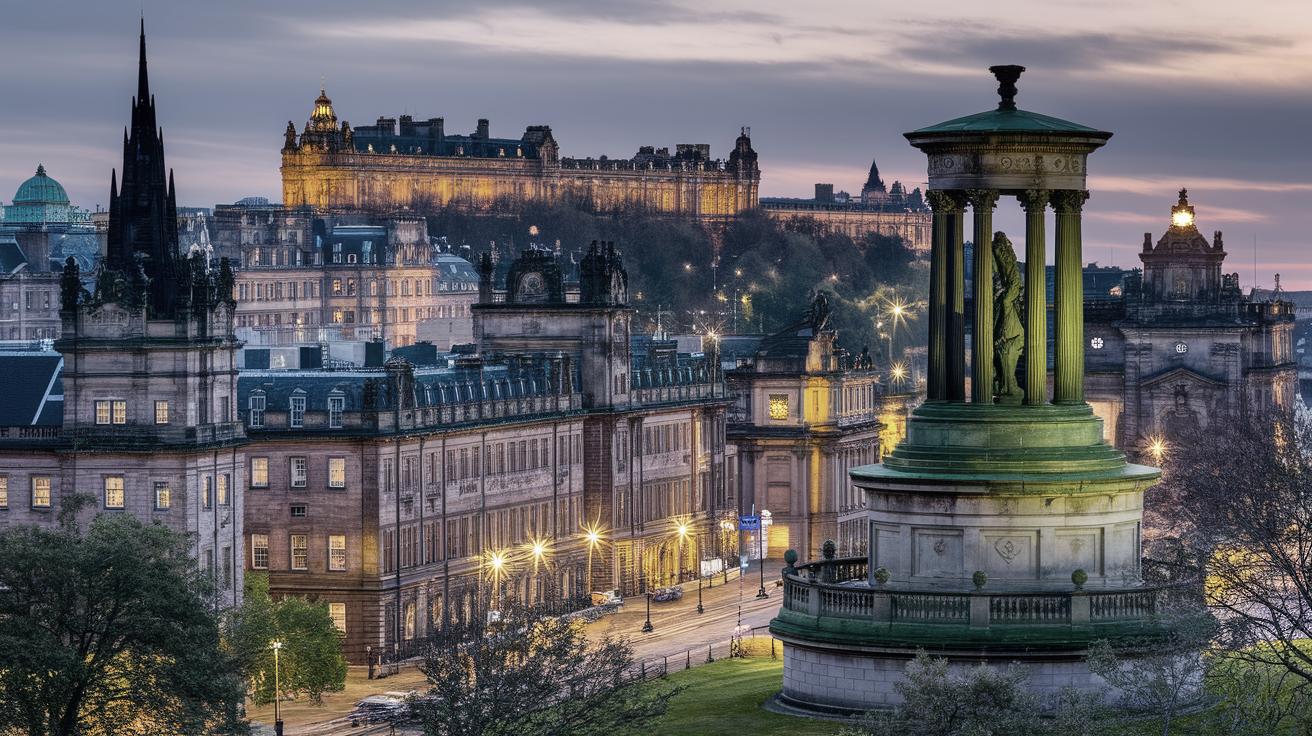
In contemporary times, the Beltane Fire Festival in Edinburgh has become a spectacular public event that attracts thousands of spectators. Held atop Calton Hill, it features dramatic performances, vibrant costumes, and enthralling fire displays that breathe life into ancient Celtic traditions.
This modern incarnation is spearheaded by the Beltane Fire Society, a community-led charitable organization, emphasizing inclusivity and artistic contribution from volunteers. The festival not only celebrates seasonal change but also offers an artistic platform for performers of all kinds, making it a dynamic part of Edinburgh’s cultural calendar.
Location
The Beltane Fire Festival takes place on Calton Hill, a historic site that provides a natural amphitheater, ideal for open-air performances. With panoramic views over Edinburgh, it serves as the perfect backdrop for a night of fire and folklore.
Access to Calton Hill is straightforward, being centrally located and easily reached by foot from the city center. Its proximity to landmarks such as the Edinburgh City Observatory and the National Monument makes it not only a cultural but also a geographical highlight of the city.
Practical information for those coming to the event
Food & Drinks
Vendors offer a range of food options, from traditional Scottish fare to international street food, ensuring that all dietary needs are catered for. Alcoholic beverages are available, but regulations require responsible consumption.
Seating/Standing/Ground Conditions
The event primarily involves standing and walking across uneven grassy terrain, so comfortable footwear is recommended. Although no formal seating exists, the natural hills provide space for attendees to sit and enjoy the performances.
Toilets
Portable toilets are strategically placed throughout the festival grounds to accommodate large crowds, with accessibility options available for those with mobility issues.
Waste/Litter/Recycling
The festival emphasizes an eco-friendly approach, with numerous recycling and waste disposal points provided. Attendees are encouraged to minimize litter and be mindful of the environment, aligning with the festival’s ethos of renewal and respect for nature.
Conditions of Entry
Entry conditions focus on safety and enjoyment, including restrictions on bringing glass containers, large bags, and unsecured fireworks. A community-focused event, it prioritizes mutual respect and compliance with festival stewards’ guidance.
SHARE THIS POST
If you found this post insightful, share it with your friends, or connect with us on social media to keep the conversation going about the beauty of Scottish festivals.
| Topic | Details |
|---|---|
| Key Stats | Edinburgh hosts 12 major festivals annually, contributing £313 million, while Glasgow’s local gatherings generate £161 million. |
| Beltane Overview | A Celtic celebration of summer, featuring fires and pagan rituals. |
| Historical Background | Origins traced to Iron Age Celts, with modern revival focusing on art and performance. |
| Modern Festival | An annual event on Calton Hill, driven by community and artistic contributions. |
| Location | Calton Hill offers a natural amphitheater with easy access from Edinburgh’s city center. |
| Practical Information | Includes details on food, drinks, terrain, toilets, waste management, and entry conditions. |